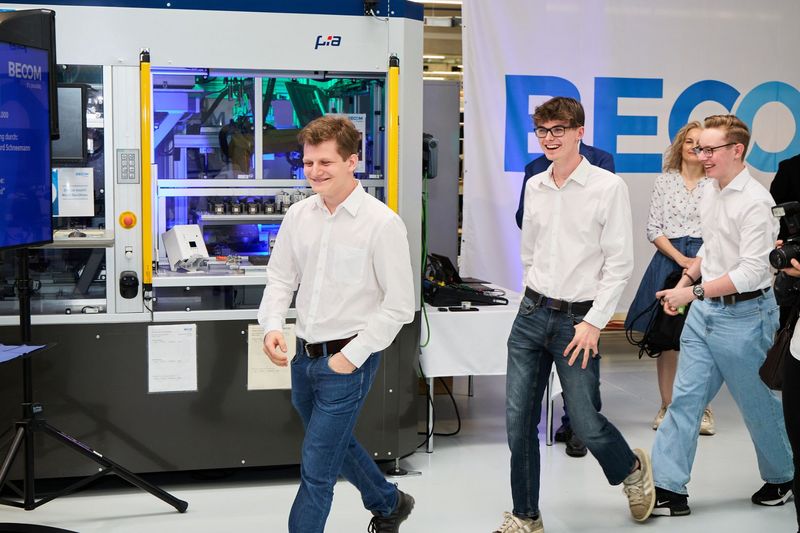
BECOM Innovation Award 2026: Young Talents from HTL Pinkafeld Present Innovative Future Projects

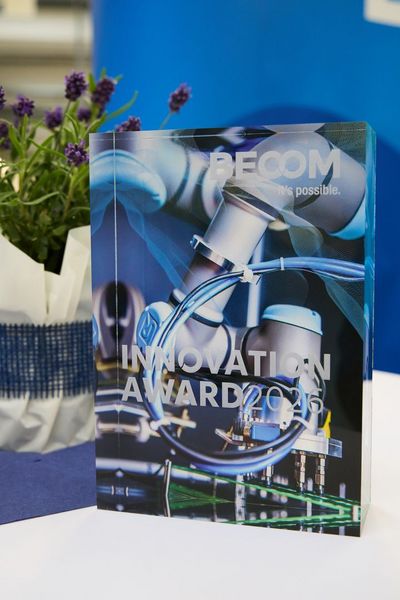
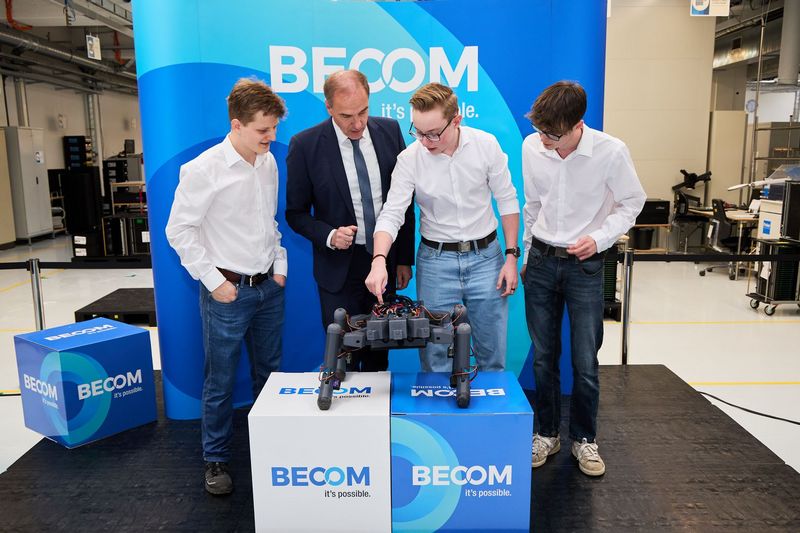
For the fourth time, BECOM Electronics honored outstanding technical projects and emerging young talents in the field of electronics through the BECOM Innovation Award. This year’s winning project, “Robot Dog”, impressed the jury with its successful combination of modern robotics, precise motion control, and the realistic simulation of typical canine movements.
The BECOM Innovation Award aims to highlight the innovative spirit, technical expertise, and creative problem-solving skills of young developers while fostering their enthusiasm for technology and research. Once again, the best projects were selected from numerous submitted diploma theses by a distinguished jury of experts from industry and business. The showcased projects covered a broad spectrum, ranging from artificial intelligence and autonomous robotics to mechatronic systems, humanoid applications, and connected technologies. Evaluation criteria included the degree of innovation, technical implementation, complexity, and the students’ personal commitment.
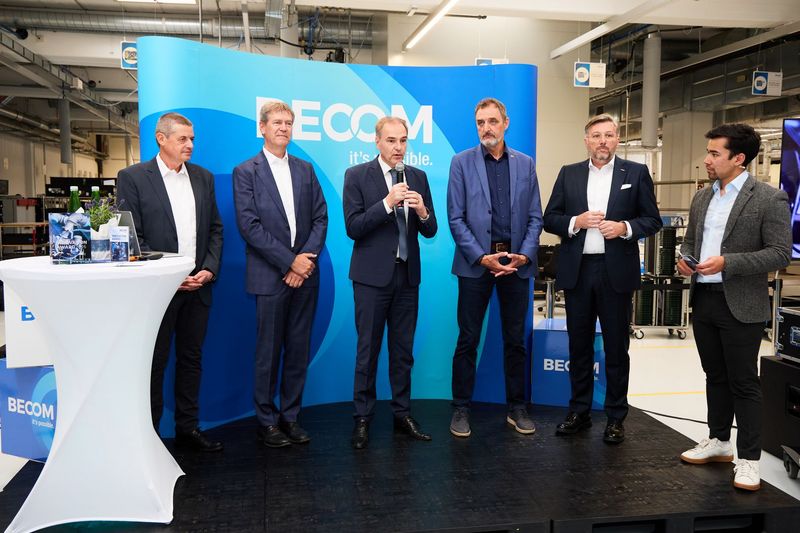
For the first time, the evening’s opening speech focused strongly on artificial intelligence. Mag. Johannes Bock, Managing Director and Co-Owner of BECOM Electronics, emphasized the crucial role of young talents in shaping future technological developments.
“AI is no longer a topic of the future – it is reality. This makes it all the more important to give young talents the opportunity to actively shape this development.”
In his keynote speech, “The Generation That Still Had to Learn AI”,Christoph Nowotny addressed the impact of AI on learning and work. He emphasized that today’s students belong to a generation that was still able to develop independent thinking without AI and introduced the Lean Startup principle “Learn – Build – Measure.” He highlighted the importance of iterative processes, rapid learning, and a constructive approach to mistakes as key drivers of future innovation.
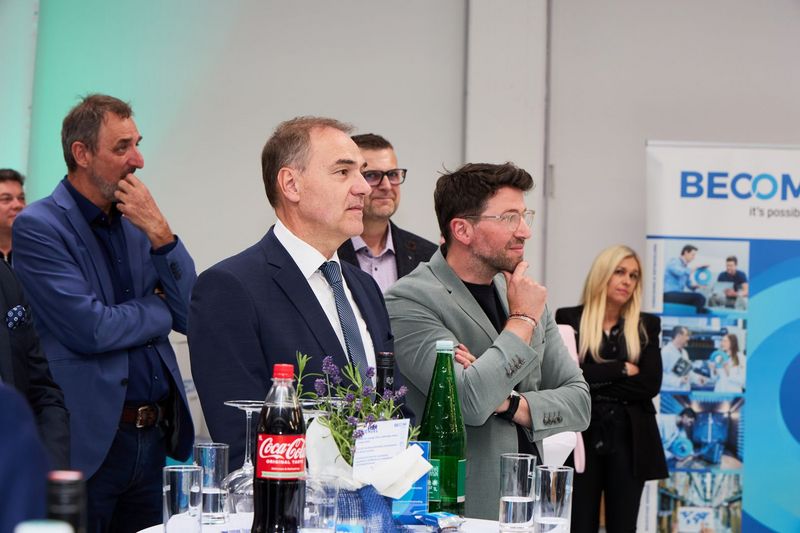
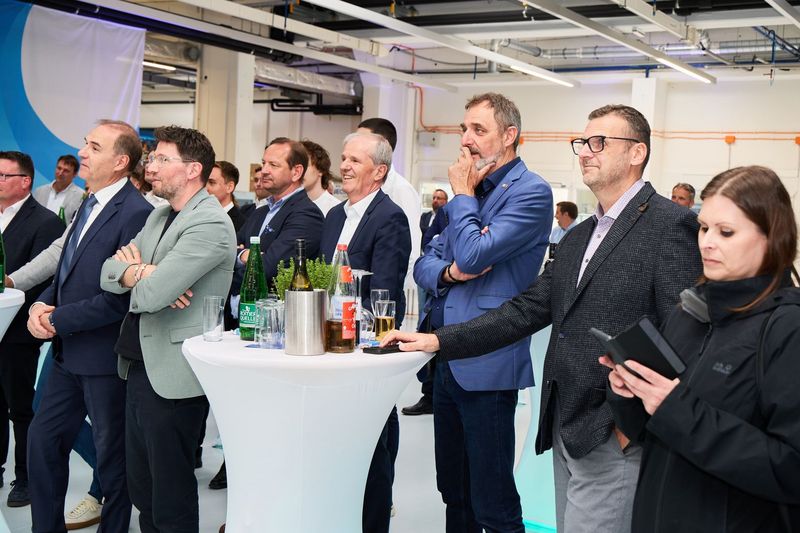
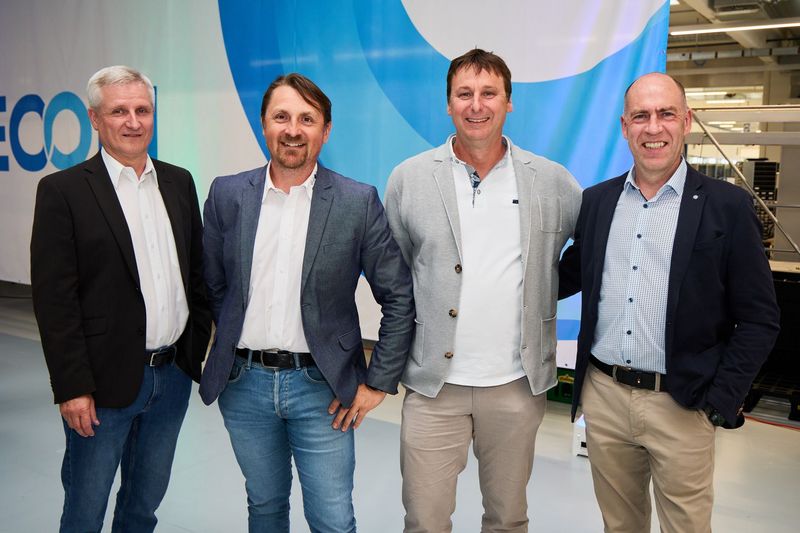
This was followed by an engaging panel discussion featuring representatives from politics, business, industry, and education. Among the participants were Regional Councillor Dr. Leonhard Schneemann, Dkfm. Dr. Harald Schermann (Burgenland Economic Chamber), DI Christian Strasser (Federation of Austrian Industries Burgenland), Gerhard Michalitsch (Burgenland Chamber of Labour), and Dir. Prof. DI Dr. Wilfried Lercher (HTL Pinkafeld). Together, they discussed key future challenges related to innovation, competitiveness, and the development of Burgenland as a business location.
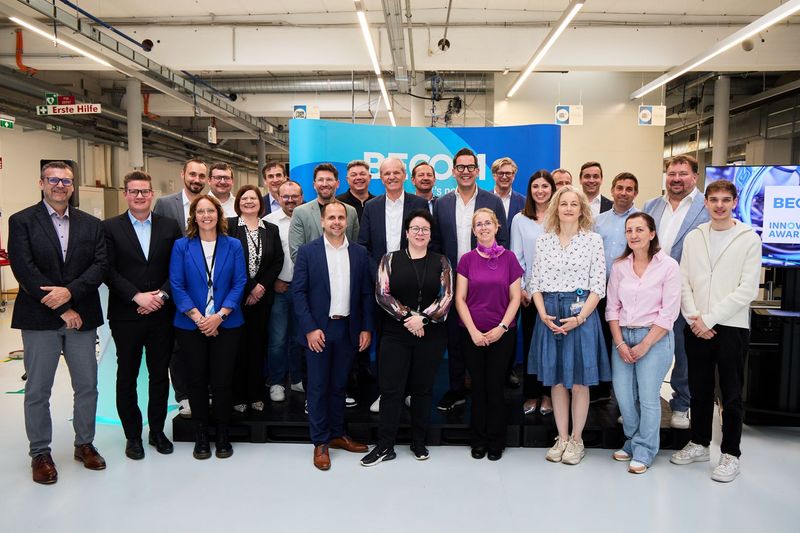
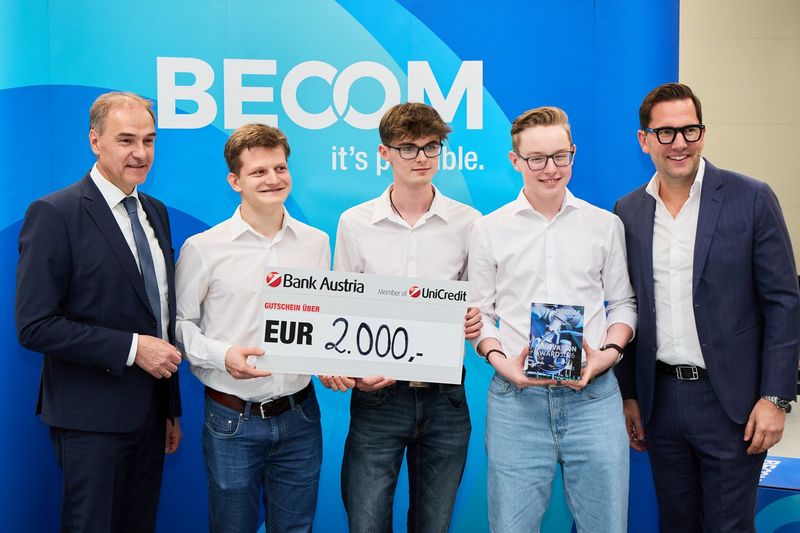
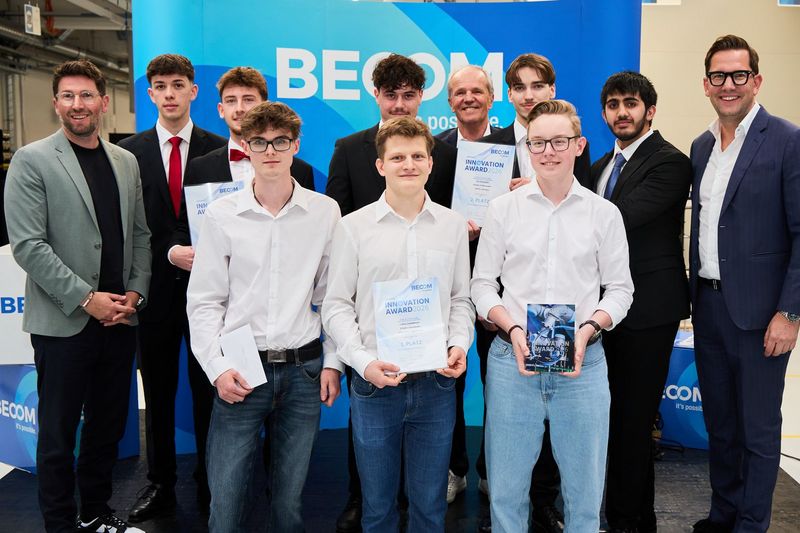
The highlight of the evening was the ceremonial award presentation. The winning projects stood out through their creativity, technical know-how, and forward-looking approaches.
Overview of the Winning Projects
1st Place (€2,000): Robot Dog
As part of this project, a 3D-printed robotic dog was designed and built, capable of moving in a dog-like manner. In addition, the system can execute commands such as “sit,” “down,” and “paw,” demonstrating advanced motion control and modern robotics.
Students: Lukas Sedelmaier, Kilian Sinowerski, Alexander Steinbauer (5AHEL)
Supervisor: Prof. Dipl.-Ing. Markus Mandl, MSc
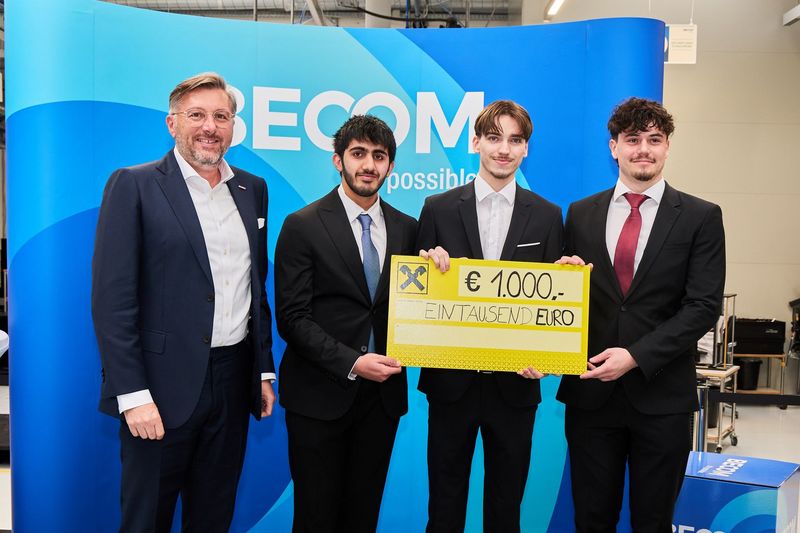
2nd Place (€1,000): A.U.R.A. (Artificial Unified Robotic Arm)
The project team developed an anthropomorphic robotic arm together with a sensor glove for control, capable of replicating basic movements of a human arm. The project’s objective was to create an intuitively controllable robotic system that reproduces human motion sequences as realistically as possible.
Students: Ali Abdullah, Phillip Rotheneder, Jakob Schwarz (5BHEL)
Supervisor: Prof. Dr. Christian Josef Paar, MSc BSc
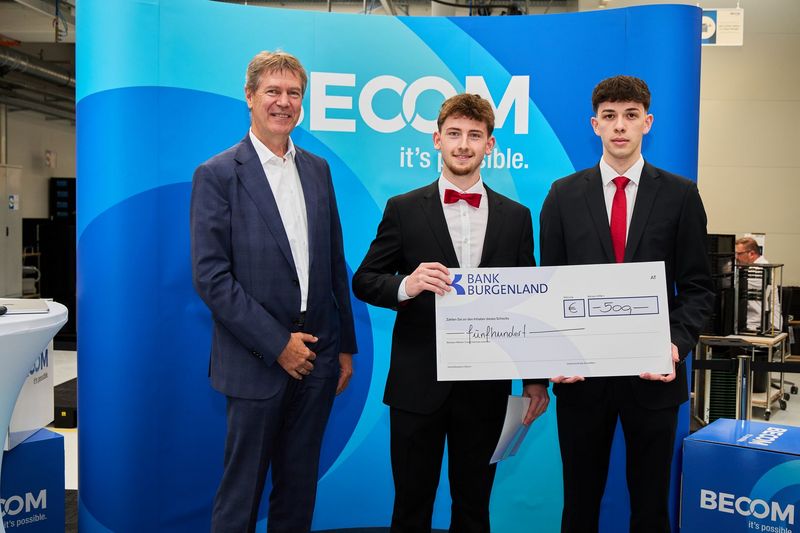
3rd Place (€500): SmartHome
This project developed an integrated system that digitizes measurement data from an analog water meter as well as from a photovoltaic system and processes the information through a centralized platform. The resulting data is intended to support optimization, consumption analysis, and more efficient resource management.
Students: Tobias Janisch, Nicolas Nagl (5BHEL)
Supervisor: Prof. Dipl.-Ing. Christoph Csebits
Expert Jury:
- Univ.-Prof. Dr.-Ing. Dipl. Wirtsch.-Ing. Wilfried Sihn
- Ing. Jürgen Antonitsch
- Matthias Klein
- Ing. Mag. Johannes Bock
- Dipl.-Ing. Roman Bock, MSc
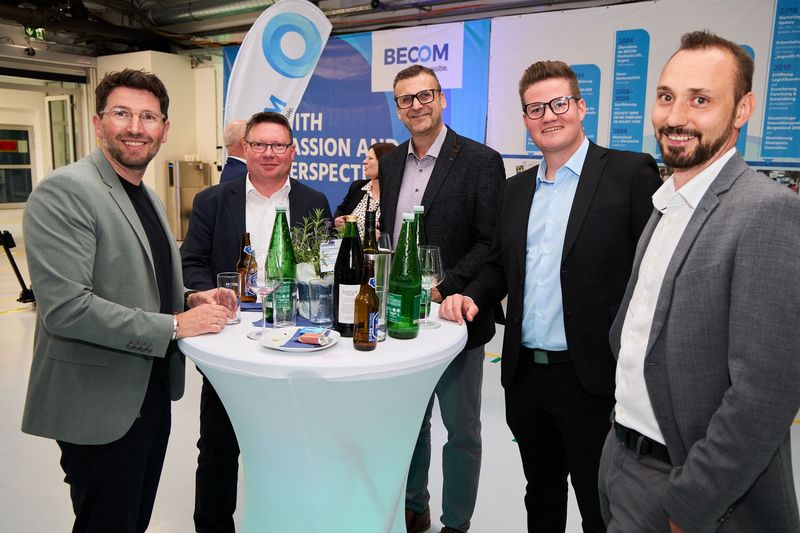
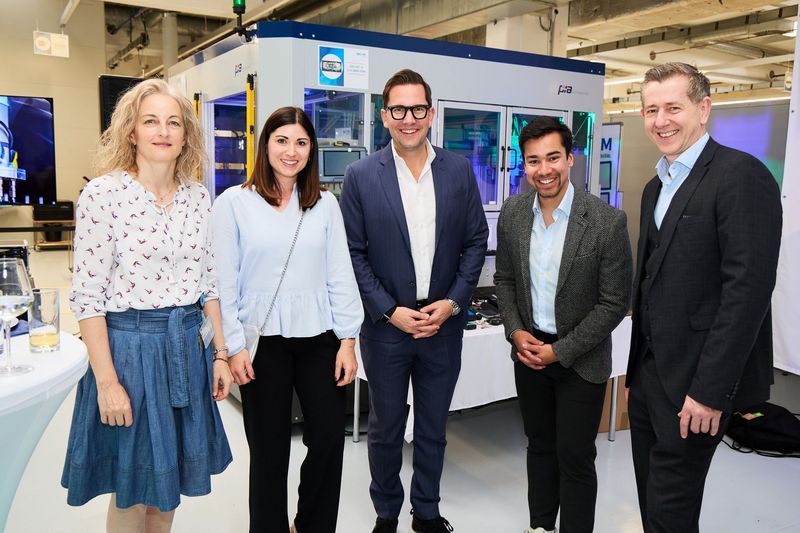
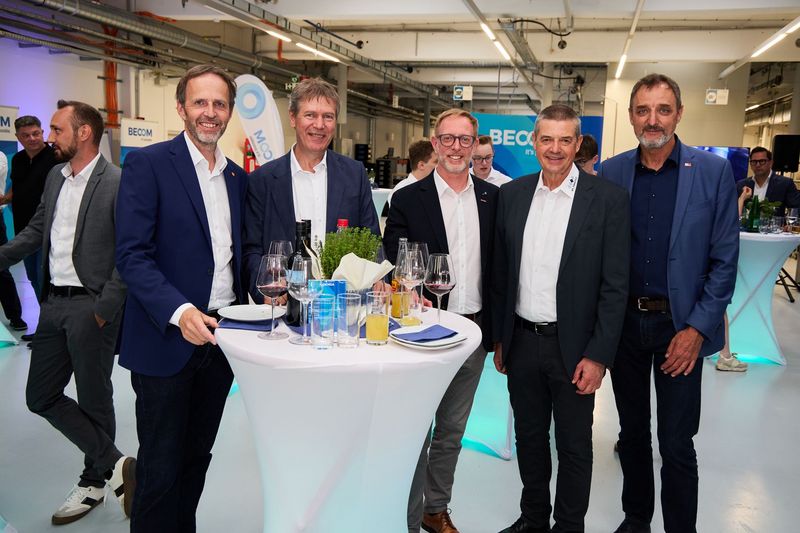
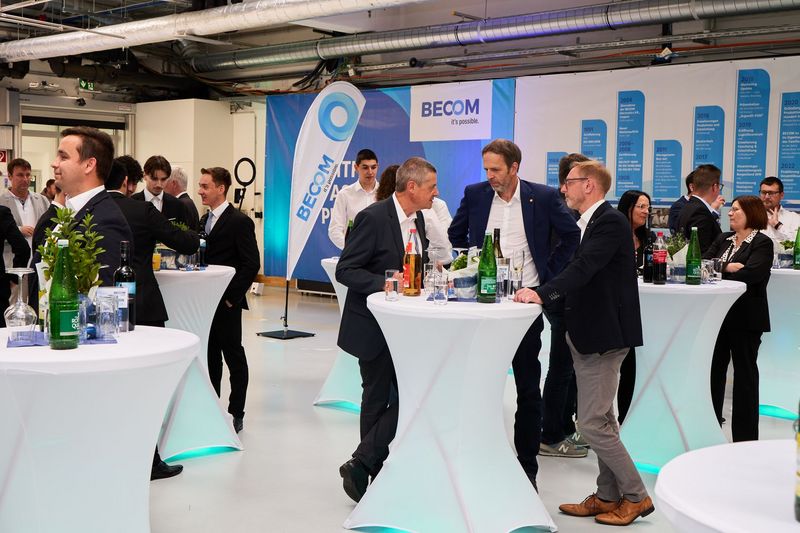
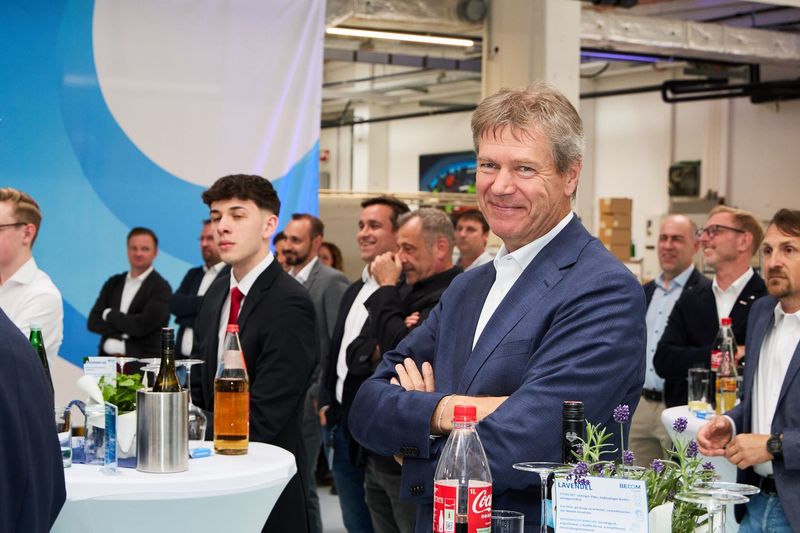
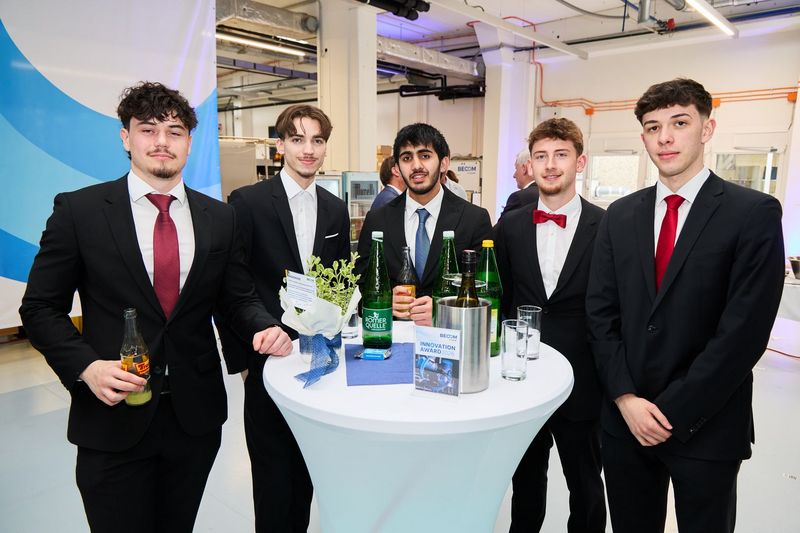
Following the award ceremony, guests, jury members, and participants concluded the evening with a joint get-together featuring snacks and numerous professional discussions.
The BECOM Innovation Award 2026 once again demonstrated the remarkable innovative strength, technical talent, and future potential of the younger generation.
![]](/fileadmin/_processed_/b/4/csm__77A9341_283373948b.jpg)